Mercedes to be F1’s Sole Safety Car Supplier After Aston Martin Deal Ends
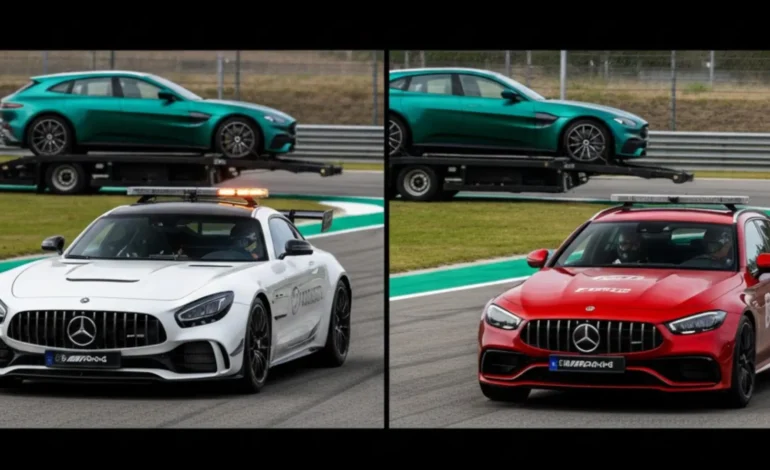
The Mercedes F1 safety car is set to reclaim its status as the exclusive guardian of the track for the 2026 Formula 1 season. On Monday, Aston Martin officially confirmed that its five-year agreement with Formula 1 to share the safety and medical car duties has concluded. This shift marks a return to the pre-2021 era, where Mercedes-AMG held a 25-year monopoly on the most critical support vehicles on the grid.
The Return of the Mercedes F1 Safety Car Monopoly
Starting with the season opener in Australia on March 8, the Mercedes F1 safety car will be the only vehicle deployed during race-neutralizing incidents. For the past five seasons, Aston Martin and Mercedes shared these responsibilities, alternating across different Grand Prix locations. However, with the British manufacturer stepping back, Mercedes will now provide its high-performance fleet for all 24 rounds of the record-breaking 2026 calendar.
The decision comes at a pivotal moment as F1 enters a new regulatory era. While Aston Martin described the conclusion of the deal as a “natural end” after successfully amplifying the brand’s return to the sport, paddock insiders have noted the commercial and logistical complexity of maintaining two separate manufacturer fleets for a global tour.
Performance Comparison: The “Green Turtle” Era
The history of the shared deal was not without its hurdles. One of the main reasons the Mercedes F1 safety car remains so highly regarded is its raw performance. In 2022, the Aston Martin Vantage faced public criticism from drivers, most notably Max Verstappen, who famously dubbed the car a “green turtle” due to its inability to maintain enough speed to keep F1 tires warm.
Safety Car Comparison: Mercedes vs. Aston Martin
| Feature |
Mercedes-AMG GT Black Series |
Aston Martin Vantage S (2025) |
| Engine |
4.0L V8 Biturbo |
4.0L V8 Twin-Turbo |
| Horsepower |
730 hp |
~670 hp |
| 0-100 km/h |
3.2 Seconds |
~3.4 Seconds |
| Top Speed |
325 km/h |
314 km/h |
The Mercedes F1 safety car—the AMG GT Black Series—boasts a significant power advantage and track-focused aerodynamics that are closer to a GT3 race car than a standard road vehicle. This performance gap was a constant talking point during restarts, potentially influencing the decision to move back to a singular, ultra-high-performance supplier.
The Medical Car and Logistical Impact
Beyond the safety car, Mercedes will also become the sole provider of the FIA Medical Car. The current model, the Mercedes-AMG GT 63 S 4MATIC+, is recognized as the fastest medical car in the sport’s history. With a 24-race season featuring grueling triple-headers, having a single manufacturer manage the fleet simplifies the logistics for the FIA significantly.
The medical car must carry three to four people along with heavy emergency equipment while keeping pace with the pack on the opening lap. The Mercedes-AMG GT 63 S provides the necessary 639 hp to ensure medical responders reach the scene of an accident within seconds.
Looking Toward the 2026 Season
As the Mercedes F1 safety car returns to exclusive duty, the 2026 season promises to be a landscape of massive change. With new engine regulations, sustainable fuels, and active aerodynamics, having a stable and proven safety car platform is vital for race control.
Fans can follow the latest updates on the new car liveries at the official Mercedes-AMG Motorsport page or track the full F1 2026 Calendar to see where the red-liveried AMG GT will make its next appearance.
A Trusted Partnership Resumed
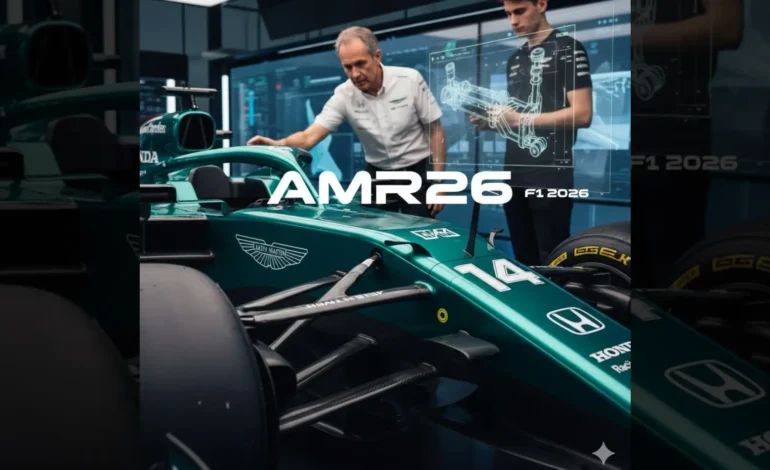
The conclusion of the Aston Martin deal reinforces the deep-rooted partnership between Mercedes and Formula 1. While the British brand moves its focus entirely to its racing team and the development of the Adrian Newey-led AMR26, Mercedes steps up to ensure the safety of the world’s fastest drivers.
Would you like to see a breakdown of the specific technological upgrades Mercedes is bringing to the 2026 safety car fleet?